When renovating and picking wall materials, do you often waver between traditional tiles, wooden wall panels and various new materials? In recent years, WPC wall panels have become a new favorite in the renovation industry for their high aesthetics and strong performance, but many people still have a limited understanding of them. Today, we’ll break down all the core questions about WPC wall panels in a Q&A format, helping you make decisions effortlessly!
Q1: What are WPC wall panels? Do they differ essentially from traditional wall panels?
A: WPC wall panels, short for Wood-Plastic Composite wall panels, are a type of new eco-friendly material made by melting 60%-70% recycled wood fibers and 30%-40% thermoplastics (such as HDPE and PVC) at high temperature, along with additives like UV-resistant and anti-fading agents, then molding them into shape. The core difference from traditional wall panels lies in advantage integration – they have the natural texture and warm touch of wood, as well as the waterproof, moisture-proof and corrosion-resistant properties of plastic, perfectly avoiding the drawbacks of solid wood (easy to deform), tiles (hard to maintain) and PVC (poor texture).
Q2: Are WPC wall panels really eco-friendly? Can families with seniors and kids use them with confidence?
A: Absolutely! WPC wall panels are genuinely eco-friendly, mainly for two reasons: first, they use recycled wood fibers and plastic waste (e.g., discarded beverage bottles and plastic bags) as raw materials, realizing resource recycling and reducing environmental pollution; second, no harmful chemicals like formaldehyde are added during production, and most products can pass authoritative environmental certifications such as CARB NAF (formaldehyde-free) and Greenguard Gold (low VOC). Renovating with WPC wall panels won’t produce pungent odors, and their formaldehyde emission is far below national standards, making them safe for seniors, kids and sensitive groups to live with.
Q3: How good is their waterproof and moisture-proof performance? Can they be installed in bathrooms and kitchens?
A: This is the trump card advantage of WPC wall panels! Their water absorption rate is below 0.5%, almost non-absorbent. Unlike solid wood panels that mold and deform when exposed to moisture, or tiles that harbor bacteria in grout lines, WPC wall panels are ideal for splash-prone areas like around shower zones in bathrooms and behind sinks in kitchens. Case studies show that a café in Berlin cut its mold cleaning costs by 70% within two years after installing WPC wall panels in its bathroom. However, note that although they are waterproof, long-term immersion in water is not recommended – for special scenarios like swimming pool interiors, products with a dedicated waterproof rating should be chosen.
Q4: Is installation complicated? Can renters and DIY beginners handle it?
A: Extremely easy! One of the biggest features of WPC wall panels is installation-friendliness – they save more labor than tiles and are less hassle than solid wood. Lightweight, they don’t require heavy lifting equipment, and can even be installed on ordinary walls without additional reinforcement. There are two common installation methods: if the wall is smooth, direct adhesion with special adhesive is feasible; if the wall is uneven, level it with wooden keels first, then splice the panels via snap-fit or lock-fit joints, just like putting together a puzzle, achieving seamless connection. Many DIY enthusiasts can finish installing a TV backdrop wall in two days on their own; renters can opt for hanging installation, which won’t damage the wall and allows panels to be disassembled and taken away when moving. For professional construction, two people can complete the whole-house wall installation in two days, significantly shortening the renovation period.
Q5: Does daily maintenance require much effort? What’s their service life?
A: Not at all! WPC wall panels are lazy-friendly materials. Daily cleaning only requires wiping with a damp cloth dipped in soapy water to easily remove dust and oil stains – no sanding, painting or waxing like solid wood, nor frequent grout line cleaning like tiles. As for service life, they can last 20-30 years indoors, and 15-25 years outdoors (with UV protection), longer than solid wood wall panels. Even if local damage occurs accidentally, only the damaged panels need to be removed and replaced individually, without renovating the entire wall, resulting in low long-term use costs.
Q6: Are they aesthetically pleasing? Do they fit well with different styles?
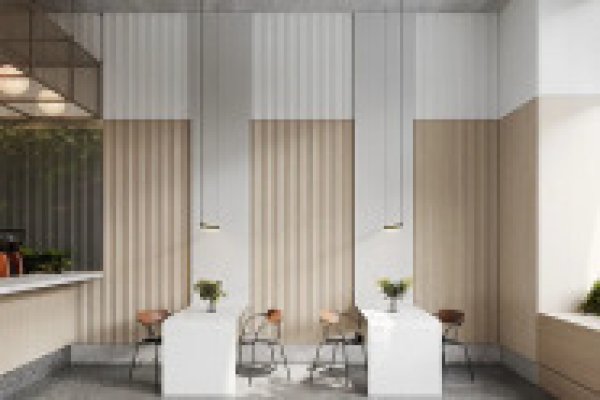
A: They boast great looks and versatile style compatibility! Today’s WPC wall panels are highly design-oriented – they can not only accurately replicate natural textures such as solid wood and marble, but also offer various finishes including matte, frosted and 3D embossed, with colors ranging from light oak and dark walnut to Morandi shades and gradients. For small apartments, vertically installed thin WPC grille panels can visually raise the ceiling height, making the space more transparent; for large residences, marble-patterned WPC panels used as backdrop walls instantly enhance the light luxury texture. There are even trendy styles like fluorescent-edge and magnetic-surface panels, suitable for various decoration styles such as modern minimalist, Nordic, light luxury and new Chinese.
Q7: Are they durable? Do they resist scratches and sun exposure?
A: Very durable! WPC wall panels have high hardness, capable of withstanding daily scratches and collisions, so pet owners don’t have to worry about walls being scratched. For outdoor use or areas exposed to direct sunlight (such as balconies and around floor-to-ceiling windows), high-quality products are added with special UV absorbers and antioxidants, effectively resisting sun exposure without fading, aging or becoming brittle easily. However, low-cost inferior products have poor weather resistance and may suffer surface chalking after long-term sun exposure – it’s recommended to choose brands with a weather resistance warranty of over 10 years. In addition, they can adapt to extreme temperatures ranging from -20℃ to 60℃, maintaining stability in cold northern winters and hot southern summers without deformation due to thermal expansion and contraction.
Q8: Are they expensive? How does their cost-performance compare with tiles and solid wood wall panels?
A: They offer excellent cost-performance! The upfront cost of WPC wall panels falls between tiles and solid wood wall panels, with a market average price of about 20-50 CNY per square meter, while solid wood wall panels cost 30-100 CNY per square meter, and high-end tiles are also pricey when including installation fees. When considering long-term use costs, WPC wall panels show even greater advantages – they require almost no maintenance costs, making them a more cost-effective choice than tiles and solid wood for families pursuing value for money.
Q9: Besides indoor walls, where else can they be used?
A: They have an extremely wide range of applications! In addition to common uses on walls of living rooms, bedrooms, bathrooms and kitchens, they can also be applied to: balcony walls, terrace ceilings, entryway backdrop walls, commercial space decoration (cafés, clothing stores), and even outdoor landscape facilities (such as garden fences and leisure benches). A beach house in Florida has used WPC wall panels on its exterior walls for 15 years, and they remain free from deformation and decay despite seawater erosion and sea wind exposure, demonstrating their wide applicability.
Q10: What if problems occur after installation, such as deformation and cracking?
A: High-quality WPC wall panels rarely experience deformation or cracking if installed properly. Most issues arise from low-cost inferior products, improper installation (e.g., uneven wall base, failure to reserve expansion joints) or incorrect installation in extreme environments. Solutions are simple: first, choose regular brands and keep warranty certificates; second, follow installation specifications – level the wall, reserve 2-3mm expansion joints during construction in high-temperature environments, and seal edges with sealant; if local damage occurs, simply remove and replace the damaged panels individually without large-scale repairs, saving time and effort.
After reading these answers, you should have a comprehensive understanding of WPC wall panels. Whether it’s for home renovation, old house remodeling or rental apartment upgrading, WPC wall panels can balance aesthetics, performance, eco-friendliness and cost-effectiveness. Choose high-quality brands and hire professional teams for installation (or DIY if you’re skilled), and you can easily enjoy durable and beautiful walls, making your home more comfortable and hassle-free!